

Hummus hails from the Middle East, especially Lebanon – hence Lebanese hummus recipe. The word means “chickpea” in Arabic.
You know, store-bought hummus is okay in a pinch, but nothing beats the fresh taste of homemade hummus. It’s healthier, cheaper, and you control what goes in.
According to Nutrition experts at the USDA, legumes like chickpeas (also called garbanzo beans) are packed with protein and fiber. That’s why this healthy hummus recipe fits right into a balanced diet.
I have made this recipe for Diplomatic Enclave a lot of time on Street-1 Cafe, this is a restaurant style hummus recipe. So, first of all I will tell you what Hummus is?
What is hummus?
Hummus is a Mediterranean dip made from chickpeas (garbanzo beans), tahini (sesame seed paste), olive oil, garlic, and lemon juice. It’s vegan, gluten-free, and rich in plant-based protein and dietary fiber. Homemade is fresher and healthier than many store options. It’s known for its:
- ✔ Smooth texture
- ✔ Nutty flavor
- ✔ Healthy protein + fiber
I’ve tested this hummus recipe over dozens of batches, and it’s always a hit at parties. If you’re wondering how to make hummus, stick with me. We’ll cover the basics and some pro tips to make it smooth hummus recipe every time.
Why This Is the BEST Hummus Recipe?
What makes this hummus different isn’t just the ingredients, it’s how you use them.
As a chef I saw a lot of people or chefs throw everything into a blender and hope for the best. That’s usually why their hummus turns out thick, grainy, or slightly bitter. This my method fixes those problems.
First, the texture. Adding a little ice cube while blending might sound strange, but it completely changes the result. Instead of a heavy paste, the hummus becomes light, smooth, and almost fluffy.
Then comes balance. Tahini and lemon juice can easily overpower the flavor if the ratio is off. In this recipe, they’re used in just the right amount, so you get that rich, nutty taste without any bitterness or sharpness.
And finally, the blending order. Instead of mixing everything at once, starting with tahini and lemon creates a creamy base first. When the chickpeas go in later, everything blends much more smoothly.
Put all of this together, and you get hummus that’s not just good, it’s consistently creamy, balanced, and hard to mess up.
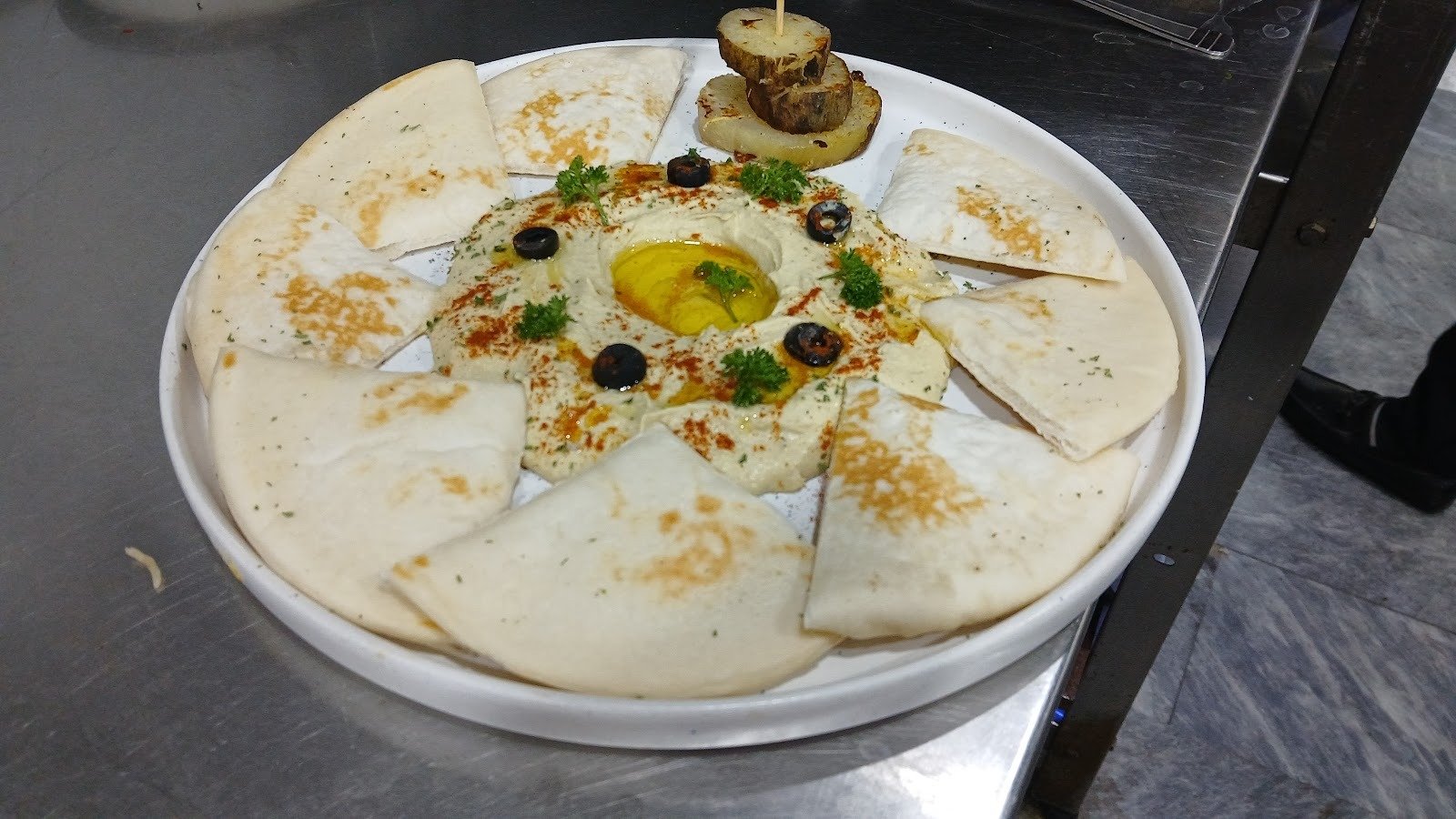
Perfect Hummus Recipe
Ingredients
Equipment
Method
- Prepare the chickpeas
- Start with tahini and lemon juice
- Add garlic, salt, and seasoning
- Add chickpeas
- Adjust the texture
- Taste and finish
Notes
- Use warm chickpeas – heat them slightly before blending for better emulsion.
- Fresh garlic is best, but roasted makes a milder roasted garlic hummus.
- No tahini? Try hummus without tahini with extra olive oil.
- For flavors: Add roasted red pepper hummus or beet hummus by blending in veggies.
- Tahini = flavor base → cheap tahini = bitter hummus
- Lemon juice = balance → too much = sour, too little = dull
- Ice water = fluffiness → creates creamy texture
Step-by-Step Instructions: Making Hummus Like a Pro
Alright, let’s get to the fun part the hummus recipe step by step. I’ll break it down so it’s easy to follow. Total time? About PT15M (that’s 15 minutes, including prepTime of PT10M and no real cookTime since it’s raw).
Step 1: Prep Your Chickpeas
First, if using canned chickpeas, drain and rinse them well under cold water. This removes extra sodium. For ultra smooth hummus, peel the skins off – it takes a minute but makes a big difference in smooth texture.
If cooking from dry: Boil with baking soda for softness. Aim for recipeYield of about 2 cups.
Step 2: Blend the Base
Add tahini and lemon juice to the food processor. Blend for about 30 seconds. The mixture may look thick at first. That is normal. Blend on high for 1-2 minutes.
Step 3: Add garlic, salt, and seasoning
Add garlic, salt, and cumin if using it. Blend again until the mixture starts to look lighter.
Step 4: Add chickpeas
Add the chickpeas in a few batches, blending between each addition. Scrape the sides of the bowl if needed. It might look crumbly at first that’s normal.
Step 5: Serve and Garnish
Scoop into a bowl. Make a swirl with a spoon, drizzle extra virgin olive oil, and sprinkle paprika. Serve with pita bread, pita chips, carrot sticks, or other veggies dip.
There you go. Your authentic hummus recipe is ready. If it seems thick, add more Ice next time.
Variations to Keep It Exciting
Hummus is like a blank canvas. Here’s veriations of twists to make it more authentic and new taste:
| Variation | Key Add-Ins | Why Try It |
| Classic hummus recipe | Just basics | Timeless and simple |
| Lebanese hummus recipe | Extra cumin and paprika | Authentic Middle Eastern flavor |
| Roasted garlic hummus | 4-5 roasted garlic cloves | Mellow and sweet |
| Red pepper hummus | 1 roasted red bell pepper | Smoky and colorful |
| Beet hummus | 1 cooked beet | Earthy and vibrant pink |
These are all vegan hummus recipe options. Mix and match to suit your mood.
Nutritional Benefits and Health Perks
As a healthy snack, hummus shines. Let’s break down the nutrition in a chart:
- Calories: 180 kcal per serving
- Fat Content: 12g (mostly healthy from olive oil)
- Carbohydrate Content: 15g
- Protein Content: 6g
- Suitable For Diet: VeganDiet, GlutenFreeDiet
It’s great for heart health, thanks to chickpeas’ fiber. Studies from the American Heart Association link Mediterranean recipes like this to lower cholesterol.
Common Mistakes and How to Avoid Them
Even pros slip up. Avoid these:
- Not peeling chickpeas – leads to grainy texture.
- Skipping tahini without adjusting – makes it dry.
- Over-blending – wait, that’s rare; under-blending is worse.
we’ve covered a lot, friend! From the hummus recipe basics to pro tips, you now have everything for the creamy homemade hummus recipe. Give it a try – it’s fun, easy, and rewarding. If it turns out great (it will), share your pics. Remember, cooking is about joy, not perfection.
For more recipes, check our site Bunch way or a smiler reliable spots like BBC Good Food .
FAQs about Your Best Hummus Recipe
Here are some FAQs that were asked by my followers on social media. Let me share them with you.
What is the best hummus recipe?
The best hummus recipe uses a short, balanced ingredient list: chickpeas, tahini, lemon juice, garlic, salt, Cream/sour cream and ice cube. A strong hummus recipe should taste creamy, nutty, and lightly acidic, not harsh or overly salty.
What makes hummus creamy?
Creaminess comes from how well the tahini, cream (sour cream) is emulsified, how soft the chickpeas are, and how carefully water is added. Tahini thickens first when liquid is added, then becomes smooth and pourable with gradual whisking or blending. That is why small additions of cold water matter.
Should I use canned chickpeas or dried chickpeas?
Dried chickpeas usually give better flavor and texture. Canned chickpeas are acceptable, but dried chickpeas are the better choice for premium hummus.
Do I need to peel chickpeas for hummus?
Peeling chickpeas is not mandatory, but it helps produce a smoother finish. Many extra smooth hummus methods rely on removing the chickpea skins before blending. If you want a restaurant-style texture, peeling is worth the time.
How much tahini should hummus have?
Tahini should be present enough to give body, nuttiness, and balance, but not so much that the hummus becomes heavy. A higher tahini ratio improves smoothness and richness, with a balanced range around 25% to 50% by weight relative to chickpeas. The goal is a creamy, tahini-forward flavor without making the dip thick or dull.
Can I make hummus without tahini?
Yes, but the result will not taste like traditional hummus. Tahini is a key ingredient in classic hummus because it adds richness, nuttiness, and emulsification. If you omit it, the texture and flavor become closer to a chickpea puree than true hummus.
Why does hummus need lemon juice?
Lemon juice adds acidity, brightness, and balance. Good hummus is savory with a clear but controlled lemon note, not sharp or puckeringly sour. Harvard’s recipe also includes lemon juice as a core ingredient, which supports the traditional flavor profile.
Why is my hummus grainy?
Graininess usually means the chickpeas were not soft enough, the tahini was not emulsified properly, or the mixture was not blended long enough. Using peeled chickpeas, a strong processor, and gradual water addition helps. If the texture still feels coarse, keep blending and add a little cold water at a time until it loosens.
How do I make hummus thicker?
To make hummus thicker, reduce the amount of water and blend longer before adding more ice cubes. Hummus thickens as it sits, which means you can also allow it to rest and then adjust later. If you want a scoopable dip, stop adding water once the texture is spreadable but still dense.
How do I make hummus thinner?
Add ice cubes in small amounts while blending. Ice should be added gradually because tahini can seize before it smooths out. The safest method is to blend, test, and adjust one spoonful of water at a time.
What spices work best in hummus?
The most common spices are cumin, paprika, and pepper. Cumin as welcome in hummus, but not dominant. The best approach is to keep the base clean and use spices to support, not overpower, the chickpeas and tahini.
Is hummus healthy?
Hummus can fit into a healthy diet because it provides protein, fiber, and unsaturated fats. A hummus serving with 8 grams of protein and 4 grams of fiber per one-eighth of its recipe, and potential benefits for weight management and glycemic control. It is healthiest when portion sizes and sodium are controlled.
Can hummus help with weight loss?
It can support weight-loss goals when used as part of a controlled, balanced diet. Hummus and chickpea intake may support appetite control and weight management, and a hummus snack study found improvements in appetite, satiety, and glycemic measures. That does not make hummus a weight-loss food by itself; portion size still matters.
How many calories are in hummus?
Calories vary by recipe and serving size. 245 calories per one-eighth of its recipe, alongside protein, fiber, and fat values. Store-bought hummus can differ significantly depending on oil, tahini, and added thickeners.
How long does homemade hummus last?
Homemade hummus should be refrigerated promptly and handled like other perishable ready-to-eat foods. FDA guidance says refrigerated foods should not sit out for more than two hours, or one hour if the temperature is above 90°F, and refrigerators should stay at or below 40°F. For a food page, the safest advice is to keep hummus cold, covered, and used quickly.
Can I freeze hummus?
Yes, hummus can be frozen, but texture may change after thawing. Because hummus contains chickpeas, tahini, and water, freezing is possible, yet the emulsion may separate slightly. After thawing, stir well and add a small amount of water or olive oil to restore creaminess. Keep it refrigerated after thawing, following standard food-safety rules.
Is hummus safe for people with sesame allergies?
Not always. Sesame is now a major food allergen in the United States, and packaged foods containing sesame must declare it on the label. Because tahini is made from sesame, anyone with a sesame allergy should check labels carefully and avoid uncertain products.
Is hummus naturally gluten-free?
Traditional hummus is made from chickpeas, tahini, lemon juice, garlic, salt, and water, so the base recipe does not require gluten-containing ingredients. The main risk is cross-contact or added ingredients in store-bought products. For a published recipe page, the safest wording is to say that the base recipe is naturally made without gluten ingredients, but labels should still be checked.
What are the best toppings for hummus?
The best toppings add contrast, not clutter. Olive oil, parsley, paprika, cumin, sesame seeds, or a little crushed chickpea texture work well when used sparingly.
What should good hummus taste like?
Good hummus should taste creamy, nutty, savory, and balanced. Serious Eats’ taste test describes the ideal result as thick and creamy with chickpea flavor, tahini richness, a controlled lemon note, and seasoning that does not dominate. It should not taste rancid, overly tart, sweet, or like bottled lemon juice
