

Saudi Arabia’s “fast food” industry has now become a very large business. Every day, thousands of people eat burgers, fried chicken, pizza, sandwiches, and coffee shop meals across the country. According to a recent report of Ken Research market analysis,
“The Saudi Arabia Quick Service Restaurants (QSR) market reached nearly USD 9.2 billion in 2024, and experts believe it could grow to around USD 16–17 billion by 2033.
“
This growth is mainly driven by urbanization, rising middle-class income, and increasing demand for fast and convenient dining options.
One of the biggest reasons behind the growth of the Saudi Arabia QSR market is the rapid development of major cities like Riyadh, Jeddah, and Dammam. These cities have growing populations, strong business activity, and higher consumer spending. Because of this, the Saudi Arabia fast food market and takeaway restaurant sector continue to expand quickly.
Saudi Arabia has a very young population. Most people are under the age of 30, and they prefer mobile apps, delivery services, and drive-through restaurants. Because of this:
- Mobile ordering and food delivery apps are growing very quickly.
- Many people now prefer ordering food online instead of sitting down for long restaurant meals.
- QSR chains are adjusting their menus to include halal food, local Saudi flavors, and healthier options.
This trend is helping the growth of:
- Online food delivery in Saudi Arabia
- Mobile ordering in KSA QSR
- Saudi Arabia fast food industry
- QSR chains in Saudi Arabia
Fast food remains the largest category in the market. At the same time, cafés, coffee chains, cloud kitchens, and fast casual dining are also becoming more popular. Families are still the biggest customer group, but young professionals, students, and tourists are also increasing demand.
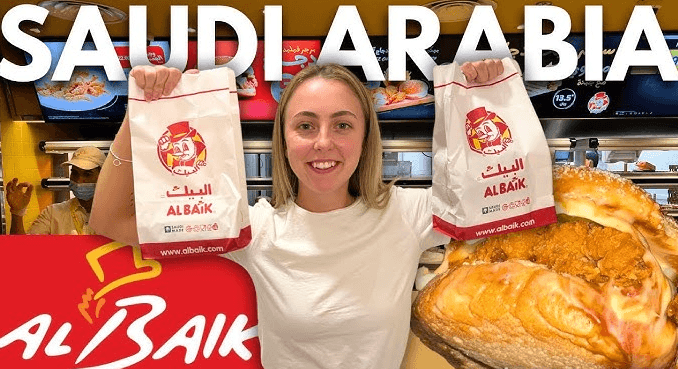
The market is highly competitive. Popular brands operating in Saudi Arabia include Al Baik, McDonald’s, KFC, Burger King, Domino’s Pizza, Subway, Starbucks, Shawarmer, Herfy, Pizza Hut, Tim Hortons, Krispy Kreme, and Five Guys. These companies are expanding their branches and investing more in digital services and customer experience.
Saudi Arabia’s government is strongly supporting tourism, entertainment, shopping malls, and food businesses through Saudi Vision 2030, the country is focusing on tourism, entertainment, hospitality, and lifestyle improvements. This has created new opportunities for restaurants, cafés, and food delivery businesses across the Kingdom.
According to research,
“Forecasts project this market to grow to about USD 16.62 billion by 2033, implying a compound annual growth rate (CAGR) in the range of 6.7–6.8% over the next decade.”
The Saudi food show
Overall, the Saudi Arabia quick service restaurant market is no longer limited to traditional fast food. The industry now includes digital ordering, cloud kitchens, delivery-focused restaurants, coffee culture, and modern dining experiences. We believe the market will continue growing as consumers look for faster, easier, and more convenient food options.
